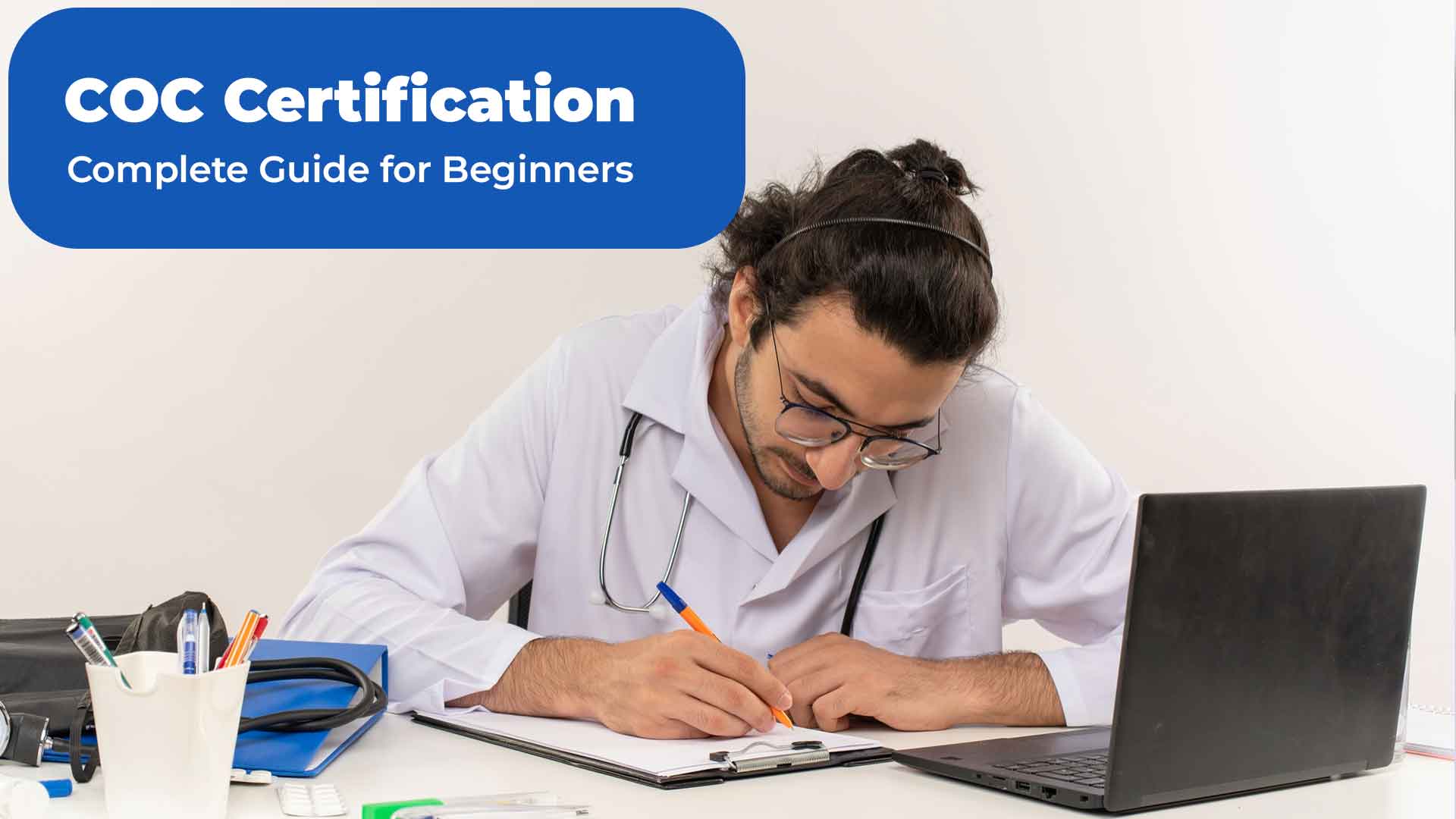
Medical coding offers multiple specialization paths, and one of the most valuable certifications for outpatient facility coding is the COC (Certified Outpatient Coder) credential. This certification is offered by AAPC and is designed for coders who work in outpatient hospital settings.
If you are planning to build a career in hospital-based medical coding, COC certification can open strong career opportunities in the healthcare industry.
What is COC Certification?
The Certified Outpatient Coder (COC) certification validates a coder’s ability to accurately assign medical codes for outpatient hospital services.
Outpatient coding involves reviewing and coding services provided in:
- Hospital outpatient departments
- Emergency departments
- Same-day surgeries
- Diagnostic services
Unlike physician-based coding (CPC), COC focuses on facility-based outpatient coding, including hospital billing and reimbursement systems.
Why Choose COC Certification?
COC certification is ideal for those who want to specialize in hospital outpatient coding. It demonstrates expertise in:
- ICD diagnosis coding
- CPT and HCPCS coding
- Hospital outpatient billing
- Regulatory compliance
Benefits of COC certification include:
- Higher demand in hospital settings
- Specialized coding knowledge
- Better career growth opportunities
- Increased salary potential
Eligibility for COC Certification
There is no strict medical degree requirement to apply for COC certification. However, candidates should have knowledge of:
- Medical terminology
- Anatomy and physiology
- ICD diagnosis coding
- CPT/HCPCS procedure coding
Beginners are encouraged to complete structured medical coding training before attempting the exam.
COC Exam Pattern Overview
The COC exam conducted by AAPC tests practical knowledge of outpatient coding scenarios.
The exam typically covers:
- ICD coding guidelines
- CPT and HCPCS coding
- Hospital outpatient documentation
- Compliance and reimbursement rules
- Case-based coding questions
Time management and practical coding skills are essential to pass the exam successfully.
Tips to Prepare for COC Certification
1. Understand Outpatient Coding Guidelines
Learn the difference between physician coding and facility coding.
2. Practice Hospital-Based Scenarios
Focus on emergency department and outpatient surgery case studies.
3. Improve CPT and HCPCS Knowledge
Outpatient coding heavily relies on CPT and HCPCS codes.
4. Take Mock Exams
Practice full-length mock tests to improve speed and accuracy.
5. Strengthen Documentation Review Skills
Accurate coding depends on understanding medical documentation clearly.
Career Opportunities After COC Certification
After earning the COC certification, professionals can work in:
- Multi-specialty hospitals
- Outpatient departments
- Healthcare revenue cycle companies
- Medical coding firms
Job roles may include:
- Outpatient Medical Coder
- Hospital Coder
- Coding Auditor
- Revenue Cycle Executive
With growing healthcare infrastructure, outpatient coding professionals are in strong demand.
Start Your Medical Coding Career with Global Coding Academy
If you are planning to pursue COC or other medical coding certifications, structured training can help you build strong fundamentals and exam confidence.